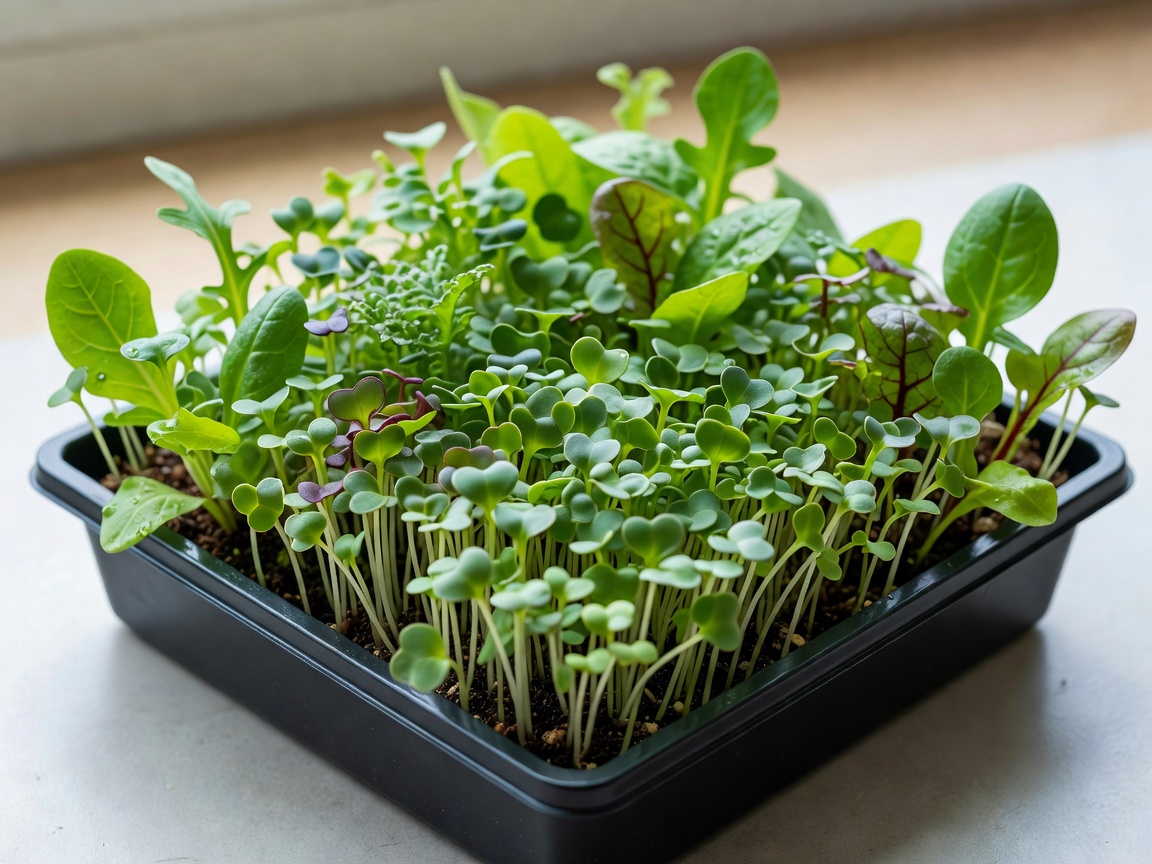
Unlike open garden beds where earthworms and natural groundwater regenerate soil organisms naturally, balcony container soils are isolated ecosystems. Over a single growing season, root structures consume available nitrogen, phosphorus, and trace minerals while frequent irrigation flushes out soluble nutrients.
1. Diagnostic Check: Soil Compaction & Hydrophobic Peat
Before planting new seasonal crops, examine your old container mix. If water pools on top without soaking in, or drains immediately down the sides of the pot without wetting the core, the peat moss substrate has become hydrophobic.
- Aeration Strategy: Gently loosen topsoil using a hand cultivator. Mix in 15-20% fresh perlite or pumice to restore air pockets essential for root respiration.
- Hydration Flush: Bottom-water pots in a shallow tray to allow hydrophobic coir or peat to slowly wick moisture back into the center.
2. Rejuvenating Soil Microbes Without Complete Replacement
Completely discarding potting soil every season is expensive and wasteful. You can recycle up to 80% of spent container soil by blending it with organic amendments:
- Worm Castings (Vermicompost): Add 15% by volume to reintroduce beneficial mycorrhizal fungi and micro-bacteria.
- Slow-Release Organic Fertilizers: Incorporate bone meal (for root strength) and kelp meal (for stress tolerance against balcony heat and wind spikes).
Track Soil Feeding Schedules Online:
Log fertilizing dates and monitor crop performance across seasons using our interactive tracking application:
Launch Interactive Plant Progress Tracker3. Protecting Container Roots During Seasonal Temperature Swings
Potted soils change temperature much faster than ground soil. Apply a 1-inch layer of organic cedar mulch or pine bark over container surfaces to stabilize root zone temperatures and minimize moisture loss during windstorms.