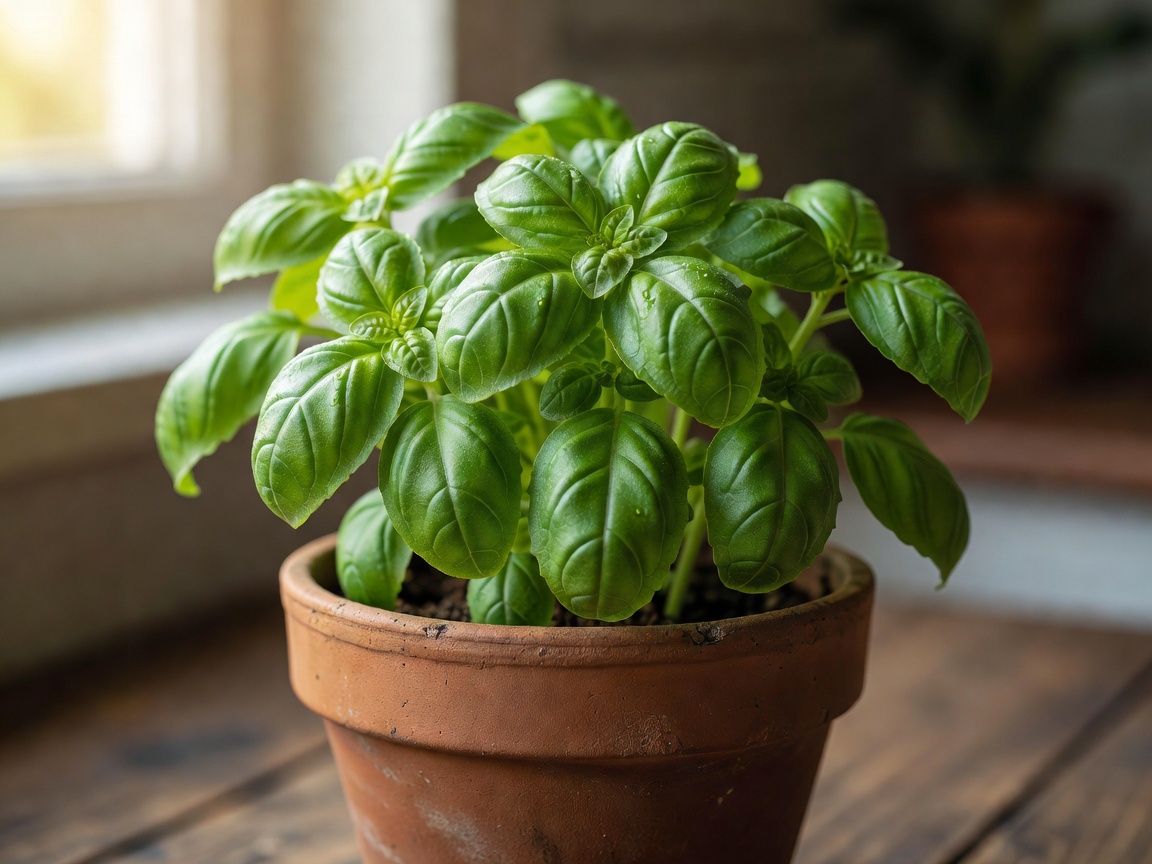
Growing fresh culinary herbs on high-rise balconies is one of the most rewarding forms of urban micro-farming. Herbs require comparatively smaller root volumes, respond vigorously to routine harvests, and offer unmatched culinary value right outside your kitchen window.
1. Solar Light Requirements vs Microclimate Realities
Balcony lighting conditions differ dramatically from ground-level gardens. High-rise balconies receive reflected glare from adjacent glass structures and elevated wind currents that increase transpiration rates.
- Full Sun Herbs (6+ hours): Basil, Rosemary, Thyme, Oregano, Sage. Place these on outer railing planters receiving direct southern exposure.
- Partial Shade Herbs (3-5 hours): Mint, Parsley, Chives, Coriander (Cilantro). Place these in shaded alcoves or lower tier planter racks.
2. Aeration and Soil Substrates
Standard topsoil or ground dirt will quickly compact in container settings, leading to oxygen-deprived roots. For balcony herbs, utilize a high-porosity blend consisting of 60% coco coir or peat moss, 20% coarse perlite for aeration, and 20% mature organic compost.
Official External Horticulture Standard:
For official plant taxonomy and botanical classifications of culinary herbs, consult the Royal Horticultural Society database:
https://www.rhs.org.uk/herbs3. Strategic Harvesting for Continuous Yields
Never harvest more than 30% of a plant's total leaf volume at one time. For stem-growing herbs like basil, cut cleanly just above a double-leaf node to induce branching and prevent premature flowering (bolting).